
Why Dilated Eye Exams Still Matter in the Age of Advanced Imaging
Posted in Cataracts, Diabetic Retinopathy, Dilating Eye Drops, Eye Blog, Eye Exam, Medical, Mount Vernon, OCT test, Sedro-Woolley, Stanwood, Whidbey
Modern retinal imaging has changed how we see the eye. High-resolution cameras can map the retina in seconds, offering detailed views without drops or waiting time. Yet, despite this progress, dilated eye exams remain the gold standard for assessing full ocular health. When the pupils are dilated, eye care providers can see beyond what technology captures—into the peripheral retina, the optic nerve, and subtle areas where early disease may hide.

Quick Takes
- Dilation opens a broader window into the retina and optic nerve than imaging alone.
- Non-dilated photos can miss signs of diabetes, glaucoma, or retinal tears.
- Peripheral vision health often depends on what only dilation reveals.
- Digital tools are excellent complements but not total replacements.
- Knowing what to expect during dilation helps patients feel more at ease.
Why Dilation Expands What the Doctor Sees
When your pupils are dilated, they widen enough for light and the doctor’s instruments to reach the outer edges of the retina. This region, called the peripheral retina, can harbor early signs of retinal tears, detachments, or small hemorrhages that imaging devices sometimes miss. Even with state-of-the-art systems like widefield photography or OCT (optical coherence tomography), certain angles or shadowed areas remain partially obscured.
During a dilated exam, the clinician can also directly assess the optic nerve, looking for swelling, color changes, or cupping that indicate glaucoma or other nerve conditions. The ability to adjust viewing angles and light intensity in real time provides insights that static images can’t match.

A quick summary of conditions where dilation offers decisive diagnostic value:
- Diabetic retinopathy and microaneurysms in the peripheral retina
- Retinal holes or lattice degeneration that precede detachment
- Subtle optic nerve changes linked to glaucoma
- Inflammatory eye diseases that affect the back of the eye
- Early signs of macular or vascular disorders outside the imaging field
Key Areas Where Dilation Detects Problems Earlier
Even the most advanced imaging technology complements but cannot replace the direct, dynamic observation that dilation enables.
How to Prepare for a Dilated Eye Exam
Because dilation affects vision for several hours, a little preparation can make your visit smoother. Follow these steps for comfort and convenience:
- Bring sunglasses to reduce light sensitivity afterward. If you forget, Cascadia Eye will provide temporary sunglasses with your visit.
- Arrange transportation if bright light or blurred vision might make driving difficult
- Let your provider know about any light-related sensitivity or medications
- Set aside extra time—vision may take 4–6 hours to return to normal focus
- Ask your doctor what specific conditions they’re monitoring during dilation
Being proactive ensures that your appointment is not only thorough but also comfortable and informative.
A Closer Look at What Dilation Adds
Here’s a simplified comparison between dilated and non-dilated approaches to eye evaluation:
|
Examination Method |
Retinal Area Visible |
Optical Nerve Assessment |
Comfort Level |
Typical Use Case |
|
Non-Dilated Imaging |
Central retina only |
Limited surface detail |
Very comfortable |
Routine screenings or quick follow-ups |
|
Dilated Eye Exam |
Full retina, including periphery |
Detailed, dynamic observation |
Temporary light sensitivity |
Comprehensive exams and disease detection |
This distinction highlights why both methods often work best together rather than one replacing the other.
Keep Your Eye Records Organized
After a comprehensive exam, patients often receive multiple records—visit summaries, retinal photos, and care instructions. Keeping these materials accessible helps track progress and share findings with specialists.
To simplify management, patients can shrink PDF files when saving or sending them electronically. Reducing file size makes it easier to store or email results without losing clarity, a small but meaningful way to maintain continuity of care across visits and providers.
When Imaging and Dilation Work Together
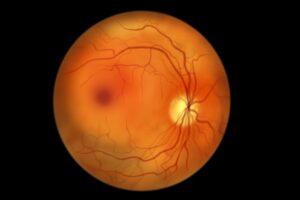
Technology is at its best when used alongside expert observation. Retinal imaging provides detailed documentation, making it easier to compare changes over time. Dilation, meanwhile, gives the clinician a three-dimensional and responsive view, crucial when subtle depth or texture variations matter. The combination supports early intervention and helps preserve vision before irreversible damage occurs.
Real-World Clarity: Why Dilation Still Has the Edge
Imagine looking through a window versus stepping outside. Imaging gives a clear but framed perspective; dilation lets your provider step “into” the landscape of your eye. They can follow blood vessels to their edges, tilt angles to inspect lesions, and assess texture changes that suggest disease activity. This tactile, interactive examination remains irreplaceable for diagnosing the earliest, most treatable forms of ocular disease.
FAQ
How long will my eyes stay blurry after dilation?
Most patients experience light sensitivity and blurred near vision for four to six hours. The exact duration depends on the drops used and your eye color—lighter irises tend to stay dilated longer. Sunglasses can help ease discomfort during this period. Avoid reading or screen work until your focus naturally returns.
Is it safe to have dilation every year?
Yes. For most adults, annual dilation poses no risk and provides critical preventive care. Regular dilation allows your doctor to catch slow-developing conditions before they harm vision. If you have diabetes, high blood pressure, or a family history of eye disease, more frequent exams may be recommended.
Can advanced imaging replace dilation entirely?
Not yet. While imaging is invaluable for tracking changes and documenting structure, it cannot fully visualize peripheral or subtle nerve changes. Dilation provides a real-time, panoramic view that imaging augments but does not duplicate. Think of it as a partnership between technology and clinical expertise.
Are there any side effects from the dilation drops?
Temporary stinging and blurred near vision are common but mild. Rarely, some people experience headaches or prolonged sensitivity, which usually resolves on its own. Your provider can use shorter-acting drops if you’re concerned about recovery time.
What if I have trouble with bright light after the exam?
Your pupils will remain enlarged, allowing more light into the eye. Sunglasses or tinted lenses can significantly reduce discomfort. If symptoms persist longer than expected, contact your optometrist or ophthalmologist to ensure no adverse reaction occurred.
Do children or seniors need dilation as often as adults?
Children may need dilation more frequently to evaluate developing eyes or detect focusing issues. Seniors, on the other hand, often require regular dilation to monitor for glaucoma, macular degeneration, or diabetic eye disease. Your eye care provider will customize a schedule based on age, health, and risk factors.
Final Thoughts
Advanced imaging has elevated modern eye care, but dilation remains indispensable for truly comprehensive insight. The combination of human expertise and visual technology ensures that no area of the retina or optic nerve is overlooked. By allowing a complete, direct view, dilation continues to protect sight in ways no camera can yet match. Regular exams that include dilation remain one of the most effective steps you can take toward lifelong vision health.
By Maria VanNurden, OD
Optometrist
Drafting support provided by Scott Sanders, cancerwell.org, Health Content Contributor
Contact Cascadia Eye
If you would like to learn more, or if you would like to schedule an appointment or consultation with our talented doctors at Cascadia Eye, please contact us today. Our entire team is committed to protecting and improving your vision and the health of your eyes. We are happy to answer any questions you might have!
In addition, join us on Facebook, Instagram or YouTube to ask your questions about eyes, exams, and our practice. We’d love to hear from you – and there might be a blog to address your questions in the future.